LOST YOUTH












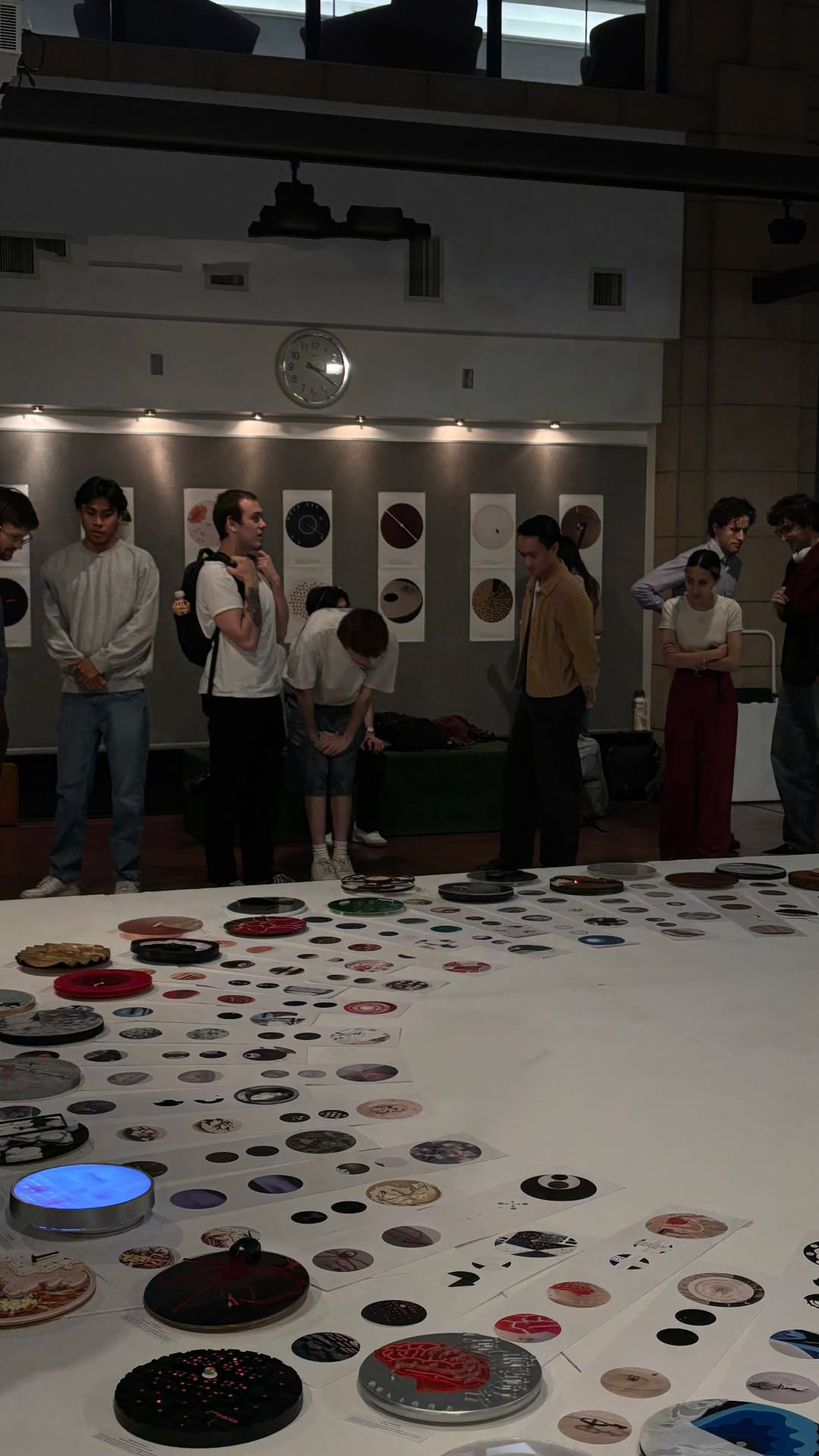
A year in research
My name is Matthew Salvador, a graphic designer graduating from the ASU Graphic Design program. Lost Youth is the culmination of a year of research, design, and storytelling centered on one of the many overlooked crises of our time Youth Homelessness.
This project began from a conversation with a coworker who runs Café Exodus, a coffee initiative rooted in his church community that opens up dialogue between people from all walks of life. Among those voices were youth with real stories that don’t always make it into the data.
Over the course of my senior year I dove into research, statistics, and the human experiences behind the numbers. Lost Youth challenged me to think differently about what design can do. Not just to inform, but to guide information to flow naturally and lead viewers toward something they can feel.
Outside of this project, I am drawn to branding and logo design. You can explore more of my work below or visit my personal website.

What is Lost youth?
For the past year, I have researched youth homelessness for my senior exhibition. I explored the unfortunate causes that push young people into homelessness, the diversity of those affected, and the long history of “solutions” that have fallen short.
Lost Youth exists to inform and raise awareness. Behind every statistic is a young person navigating a system that was not built for them, locally here in Arizona, and globally across the world. This exhibit is a tool to understand and join the conversation about one of the most overlooked crises of our time. The exhibit, Lost Youth, explores the scale and reality of youth homelessness through global, national, and local data, including data from Maricopa County. An estimated 4.2 million youth experience homelessness each year in the United States. Arizona has some of the highest rates of unsheltered youth, with many remaining unseen in unstable or temporary housing.
The exhibit identifies who is most at risk and why. Cafe Exodus offers a human perspective, revealing how connection and community can restore dignity amid instability. This case study shares personal youth stories that put real faces and experiences behind the statistics.


Who is most
at risk?
Youth homelessness is not an isolated issue, it is a widespread crisis concentrated heavily across the United States. States like California, Oregon, and Hawaii report that over 60% of their unsheltered homeless population lacks access to emergency shelter or transitional housing, with tens of thousands of individuals affected. Among them, a striking number of young people under 25 are navigating homelessness without stable support systems.
Arizona and Nevada, while reporting comparatively lower percentages, are far from immune. Arizona alone accounts for over 700 homeless youth, and Nevada for more than 4,500. Numbers that represent real young lives disrupted before they’ve had the chance to fully begin.
These five states paint a broader picture of a region-wide failure to protect its youngest and most vulnerable residents. As we turn our focus to Arizona, the data becomes not just a statistic, but a story worth telling.
Black youth face a significantly higher risk of experiencing homelessness and are disproportionately represented in the
homeless population, a direct reflection of systemic inequities
in housing, income, and access to support systems compared
to their white peers, reflecting systemic inequities in housing,
income, and access to stable support systems.
LGBTQ youth are much more likely to experience homelessness, frequently due to family rejection, discrimination, and lack of safe, supportive environments.
True Colors UnitedYoung parents face a dramatically higher risk of homelessness, balancing the responsibilities of raising a child while often lacking stable income, affordable housing, and a reliable support system.
Chapin Hall at the University of Chicago; National Alliance to End HomelessnessHispanic youth face an elevated risk of homelessness, driven by economic instability, housing insecurity, and significant barriers to accessing resources and support services.
Chapin Hall at the University of Chicago — Voices of Youth Count
Black youth face a significantly higher risk of experiencing homelessness and are disproportionately represented in the
homeless population, a direct reflection of systemic inequities
in housing, income, and access to support systems compared
to their white peers, reflecting systemic inequities in housing,
income, and access to stable support systems.
LGBTQ youth are much more likely to experience homelessness, frequently due to family rejection, discrimination, and lack of safe, supportive environments.
True Colors UnitedYoung parents face a dramatically higher risk of homelessness, balancing the responsibilities of raising a child while often lacking stable income, affordable housing, and a reliable support system.
Chapin Hall at the University of Chicago; National Alliance to End HomelessnessHispanic youth face an elevated risk of homelessness, driven by economic instability, housing insecurity, and significant barriers to accessing resources and support services.
Chapin Hall at the University of Chicago — Voices of Youth Count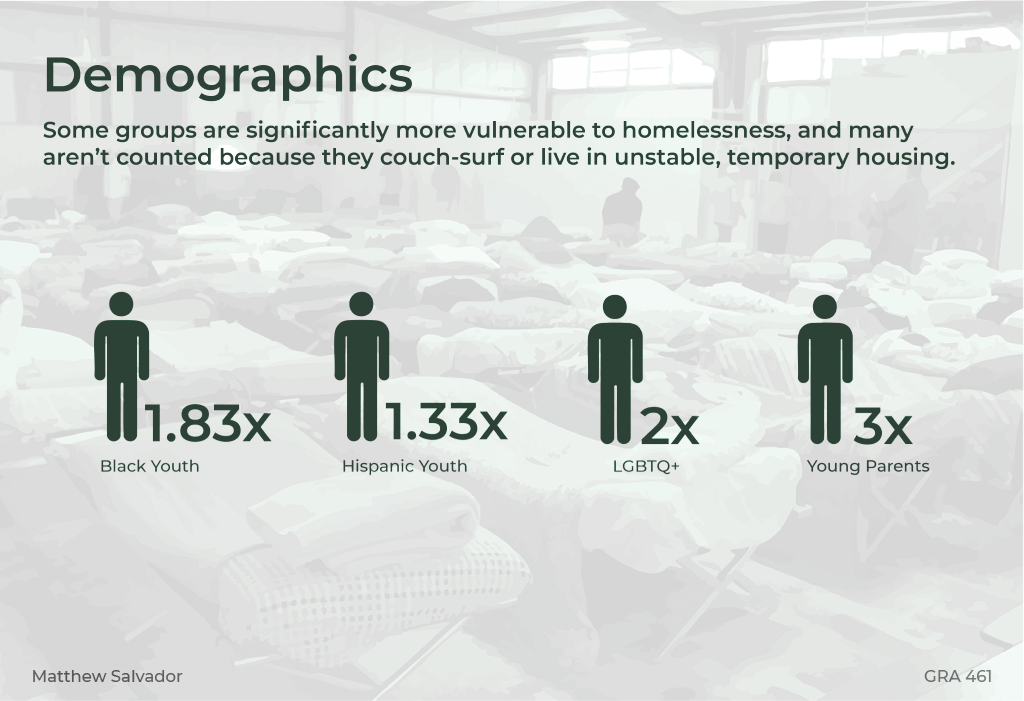
what pushes youth to homelessness?
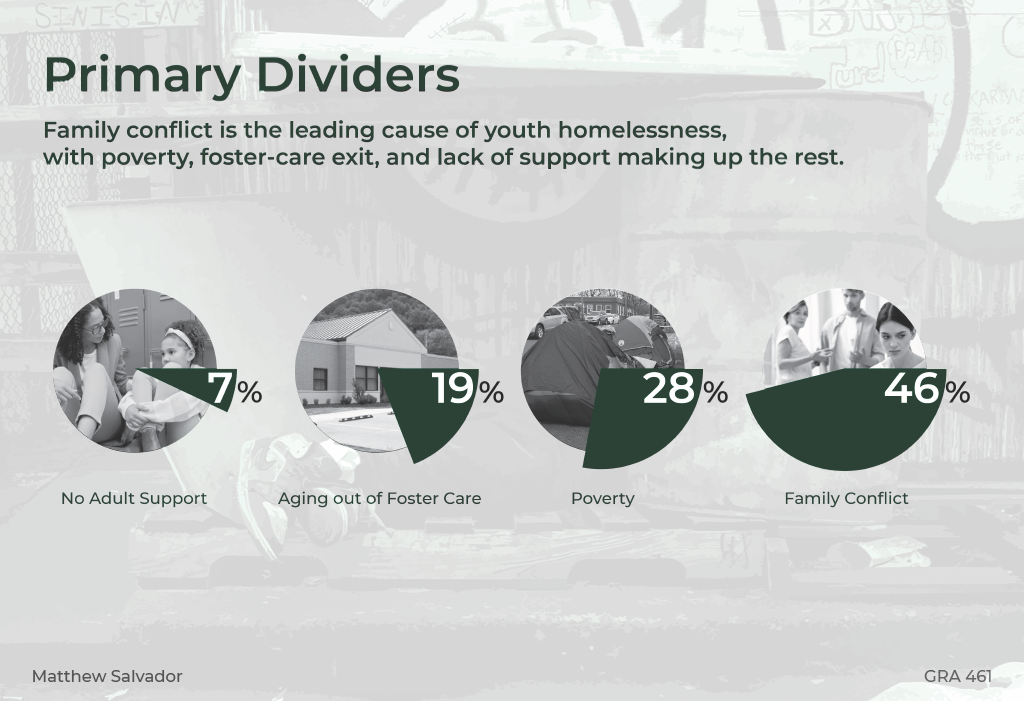
In Phoenix and Maricopa County, the issue is particularly visible, with over 1,800 youth counted as homeless in recent years and Arizona ranking among the highest states for unsheltered young people. Contributing factors include family conflict, foster care exits, poverty, and a lack of supportive adult relationships, all of which place youth at greater risk for long-term instability.
touch to reveal major factors that lead to youth homelessness
No Adult Support

Aging out of Foster Care

Poverty
Family Conflict